
From AI memory pins to featherlight smart glasses, the hottest tech of late 2026 is designed to get out of your face and back into your life.
For nearly two decades, “new tech” meant one predictable thing: a slightly thinner glass rectangle with a brighter screen and a faster processor. Every breakthrough demanded more of your visual attention, pulling your eyes down toward a 6-inch display dozens of times an hour.
In late 2026, hardware design has finally hit a turning point. The most exciting gadgets on the market right now aren’t competing to become your primary screen—they are actively trying to free you from staring at one. Across wearables, audio, and workspace hardware, engineers are embracing ambient technology: devices that blend naturally into everyday accessories, run quietly in the background, and deliver utility without hijacking your focus.
1. AI Memory Pins and Ambient Voice Recorders
One of the fastest-growing hardware categories this year isn’t worn on your wrist—it clips onto your collar or magnetically snaps onto the back of your phone. Compact AI voice wearables like the Plaud NotePin, Bee Pioneer Edition, and Limitless Pendant have turned passive note-taking into an effortless daily habit.
Unlike early, bulky AI pins that tried and failed to replace smartphones entirely, this new generation succeeds because it solves one specific problem exceptionally well: capturing and organizing spoken context. Whether you are walking out of a client pitch, brainstorming during a commute, or attending a university lecture, these pill-sized gadgets record hours of audio on a single charge, distinguish between multiple speakers, and automatically generate structured summaries, mind maps, and calendar action items. Even better, privacy-first hardware switches and on-device encryption mean users maintain strict control over when microphones are active.
2. Smart Glasses Finally Cross the Everyday Comfort Threshold
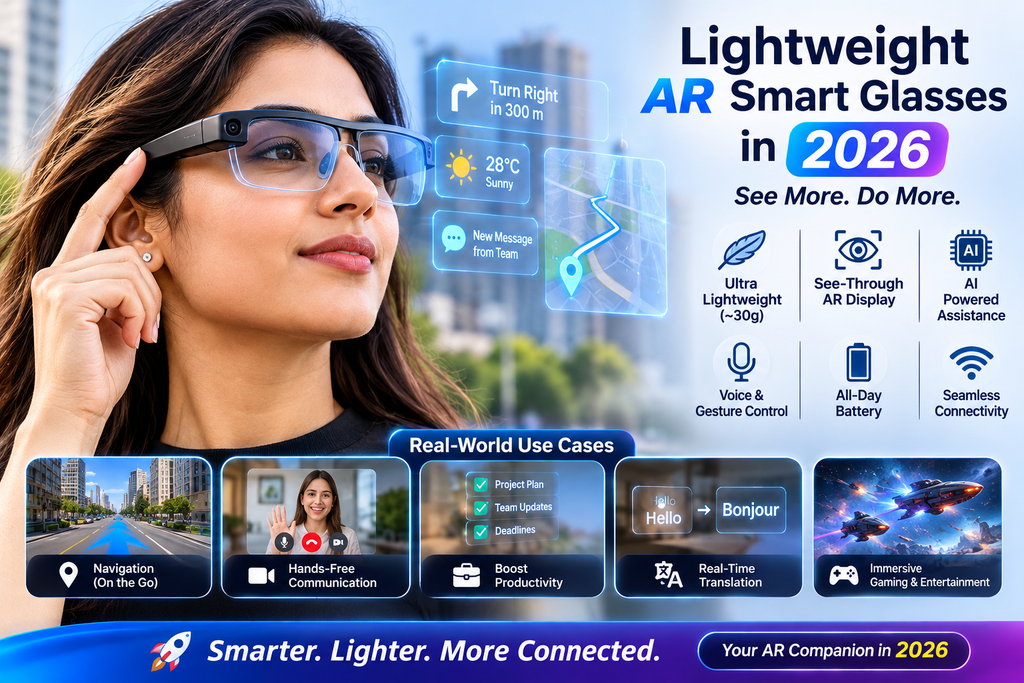
For years, smart glasses forced buyers into an awkward trade-off: either settle for audio-only frames or wear heavy, sci-fi headsets that looked out of place at a coffee shop. That gap has narrowed dramatically in 2026.
Third-generation audio-and-camera frames like the Ray-Ban Meta (Gen 3) have refined weight distribution, temple comfort, and battery endurance to the point where they feel virtually indistinguishable from classic eyewear. Meanwhile, display-equipped lightweight glasses—such as the Viture lineup—are bringing crisp, micro-OLED virtual screens into sleek sunglasses form factors. Paired with multimodal AI, modern smart glasses can translate street signs in real time, identify landmarks, or mirror a private 120-inch workstation display during a flight—all without anyone across the aisle noticing.
3. Screenless Health: Smart Rings and Predictive Biometrics
Smartwatches remain powerhouse fitness trackers, led by flagships like the Apple Watch Series 12 and Pixel Watch 5. Yet a growing wave of consumers is experiencing “notification fatigue”—tired of buzzes on their wrists every time a group chat lights up.
Enter the smart ring renaissance. Devices like the Oura Ring 5 and specialized health wearables like Bee pack clinical-grade heart rate variability (HRV), skin temperature, blood oxygen, and sleep-stage sensors into titanium bands weighing just a few grams. Because rings sit cleanly against the underside of your finger where capillaries are close to the skin, they often capture cleaner overnight biometric baselines than loose watch straps. Powered by predictive machine learning, these rings don’t just display raw charts anymore; they flag subtle physiological deviations days before you feel run down, helping you adjust sleep and recovery proactively.
4. Open-Ear Audio: Hearing Your Music and the World
Noise-canceling headphones will always have a place on airplanes, but for outdoor runners, cyclists, and hybrid office workers, completely sealing off the ear canal can feel isolating—or unsafe. In 2026, open-ear clip and hook earbuds such as the Bose Ultra Open (2nd Gen) and Shokz OpenFit Pro have become mainstream staples.
Using directional acoustic drivers that beam sound straight toward the ear canal without blocking it, open-ear gadgets deliver surprisingly rich bass and crystal-clear podcasts while keeping you fully aware of approaching traffic or a colleague stopping by your desk. Many users now keep them clipped on throughout the entire workday as a personal, all-day audio layer.
5. Modular and Ergonomic Desk Hardware
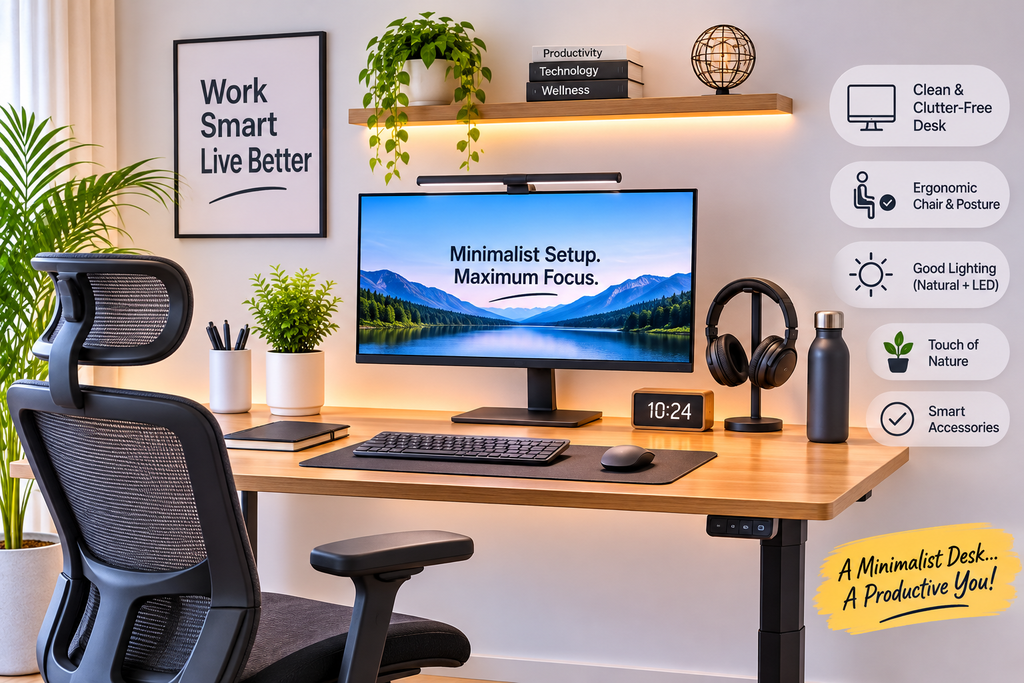
Even traditional computing gear is getting smarter and kinder to human ergonomics. On the desk front, 2026 has seen huge demand for ultra-compact mechanical keyboards (like 65% hot-swappable boards), split ergonomic layouts that prevent wrist strain, and multi-device wireless mice that glide seamlessly across laptops, tablets, and secondary portable monitors.
At the same time, affordable high-efficiency laptops—headlined by breakthroughs like Apple’s MacBook Neo and ultra-light Windows machines—prove you no longer need a heavy workstation or a loud cooling fan to run local AI tools, edit 4K video, and power through an 18-hour battery cycle.
What to Look For Before Buying Your Next Gadget
With so many sleek new form factors hitting shelves, it is easy to fall for clever marketing demos that gather dust in a drawer two weeks later. Before investing in any next-gen hardware, run it through three quick filters:
- Does it remove friction or add a charger? The best wearables—like smart rings and open-ear buds—offer multi-day battery life and effortless magnetic docks so charging never becomes a chore.
- Does it work without a mandatory subscription? Always check whether core AI summaries, health insights, or cloud backups are locked behind recurring monthly fees.
- Is the core hardware great even without AI? A pair of smart glasses should still be comfortable sunglasses; a smart pen or recorder should still feel great in your hand.
Technology is finally growing up—moving away from flashy distractions and toward quiet, thoughtful tools that adapt to human habits. Keep following GizVista as we put the latest wearables, desk upgrades, and everyday gadgets through real-world testing so you know which ones are genuinely worth your money.